Connect with Next Billion Indian Internet Users through Regional SEO.
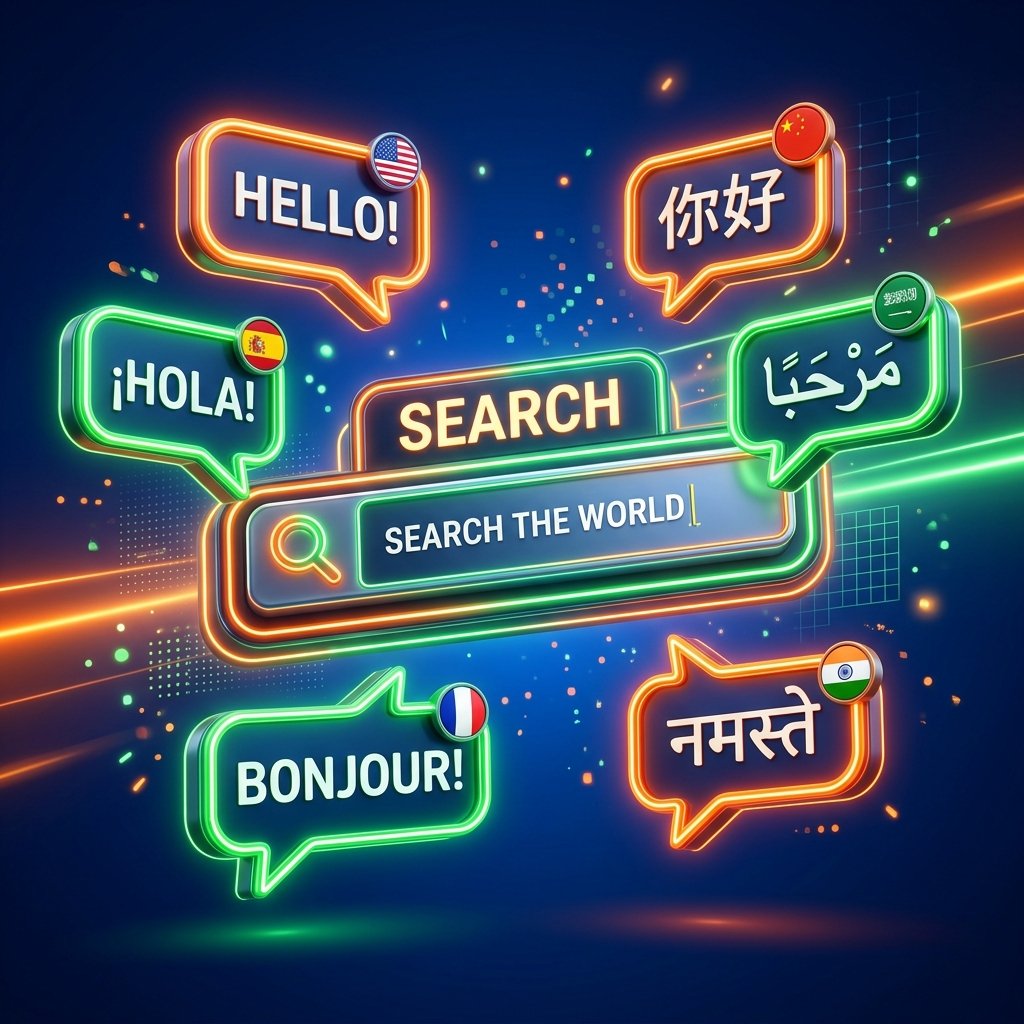
The online population is reflecting only at a very high rate and a big proportion of the new internet users would prefer to search, read, compare, and make purchases in their own languages. Although the importance of English content does not go away since it is still valuable, the substantial growth prospect is now seen in regional language push of the brands that desire to tap outside populations in and outside metro cities.
SEO PPC Delhi offers professional vernacular SEO solutions that aim at assisting businesses to be ranked in the regional search of languages within India. The positioning of websites, landing pages, blogs, product pages, and local content are optimised to suit languages like Hindi, Tamil, Telugu, Marathi, Bengali, Gujarati, Kannada, Malayalam, Punjabi and other Indian languages.
Simple translation is not vernacular SEO. It is an all-encompassing search plan based on local language behaviour and cultural knowledge, regional intent and technical SEO best practice. It aims at enabling brands to reach out to users in their own language that they have faith in and use in their daily lives.
Most of the users in tier-2, tier-3, and semi-urban market search differently as the English-speaking users do. Others use native scripts, others use Romanised words like Hinglish and many use voice search using smartphones. Effective regional SEO strategy should be able to comprehend all these trends.
SEO PPC Delhi assists companies to establish this localized search presence through localized search key-word research, culturally suitable content, use of technical language targeting, local link development and voice search optimization. This enables the brands to get high intent traffic in communities that usually go unattended by other English-only brands.
Our Vernacular SEO Process
The proper regional SEO campaign starts with comprehensive research. SEO PPC Delhi researches about the target audience, language preference, the local search behaviour, competitors as well as the business goals and proceeds to construct the strategy.
Key word research is regionally minded. They do not necessarily translate English keywords into Hindi, Tamil, Telugu or other languages. They tend to search with local expressions, language combinations, colloquials, and informal words. The plan determines the particular words and phrases that people actually venture when making a search.
Transcreation is then used to develop content rather than a mere translation. Transcreation refers to the process of paraphrasing the text by retaining the original meaning, however, making it culturally appropriate, convincing and locally appealing. This makes users feel that the brand has been able to observe their needs and language.
Regional landing pages, blogs, service page, frequently asked questions, and product description are prepared using suitable key word placement, and natural readability. The message is created in a way that enables trust building, better engagement and conversions.
Another crucial component of vernacular search is technical SEO. Search engines require clear indications when a web site has the same content in different languages. SEO PPC Delhi uses hreflang tags, language-specific URL, metadata, use of internal links, crawl-friendly architecture so that Google can present the correct version to the correct individual.
Regional link building along with digital PR are also part of the service. Local websites, local blogs, local news portals, and community-oriented websites are the ones used to provide backlinks and enhance the levels of trust and authority to language pages.
Voice search optimisation is also factored as most of the people in the region use voice search by talking into their phones. The content is organized based on natural queries, local phrases and conversational searching patterns to enhance visibility of voice-based queries.
The advantages of Vernacular SEO.
Vernacular SEO will assist the companies to access a large audience that is not entirely addressed in the English content. This is particularly applicable to those brands that want to reach the customers in lesser cities, regional and local service markets.
Reduced competition is one of the largest benefits. English key words are very competitive in many industries and in most cases, regional language key works offer less competition and offer good search demand. It can help to rank and bring about the right traffic.
Local content also generates greater trust. When the message is presented in their own language, the users will be more inclined to interact with a brand. This can enhance time on page, decrease the bounce rate and enhance the enquiry or purchase intent.
Brand recall is also enhanced by Vernacular SEO. The more beneficial information customers find in a language they understand, the more they can relate to the brand and open it. This relevance pertains to industries like real estate, health, education, finance, travel, e-commerce, local services, consumer products.
In the case of businesses operating in the country with a growth plan to India, regional SEO provides scalable growth model. A brand may begin with a single priority language, gauge the returns and increase additional languages in response to demand and market opportunity.
Performance Potential
Thoughtful vernacular SEO approach may enhance organic traffic of regional markets, better local interactions, and less reliance on costly paid traffic. It may also assist businesses to grasp search demand of mobile users, voice searches and location queries.
The inclusion of a regional major language like Hindi can establish powerful growth in organic visibility, particularly among business entities that target North India. The choice of other languages depends on industry and location, audience and customer demand.
Vernacular SEO will earn long-lasting value due to the early-established authority. First mover advantage and improved search visibility of a brand in emerging markets are benefits that a brand that invests in search by regional language prior to their competitors being able to do the same.
| Vernacular KPI Metric | Projected Growth (First 6 Months) |
|---|---|
| Overall Organic Traffic Volume | +35% to +60% Surge |
| Time on Page (Regional Content) | +45% Longer Session Duration |
| Cost of Traffic Acquisition | 70% Cheaper than English SEO |
| Tier-2 / Tier-3 City Penetration | +150% Increase in User Base |
| Mobile Voice Search Queries | +85% Traffic from Voice |
Frequently Asked Questions
Google Translator will assist in the creation of primitive meaning, but that is all that it can accomplish. It tends to lack local search intent, local culture, regional expressions and persuasion. Native language knowledge, keyword research and content transcreation are prerequisites to professional vernacular SEO.
Translation alters words in one language to another language. Transcreation localizes the message in such a way that it seems to be more natural, relevant and persuasive to the target audience. In the case of SEO, transcreation would be more effective as it aligns to local search behaviour and user expectations.
Most users query in Hindi and write in English and use English letters, including ghar ke liye loan, or best doctor near me. Where appropriate these are Romanised searches found in keyword research and content planning. This assists in capturing online behaviour that is real, particularly in mobile.
An hreflang tag instructs the search engines on the language or the local version of a page to be presented to the various users. It aids in avoiding the problem of duplicate content and because it allows users to view the appropriate language version in search results.
The correct language is determined by the target market, the business being considered, location and the customers. Hindi is usually a good place to begin with in the North Indian part, whereas Tamil, Telugu, Marathi, Bengali, Gujarati, Kannada, Malayalam and Punjabi can be chosen depending on the demand regionally.
Vernacular SEO Services in SEO PPC Delhi.
SEO PPC Delhi provides full vernacular search engine optimisation, such as local language content and transcreation, hreflang, technical search engine optimisation, regional link building, voice search optimisation, on-page search engine optimisation, metadata optimisation, as well as performance reporting.
This service is built to cater to those businesses that are interested in going outside the English speaking markets and gaining an awareness in the Indian regional digital markets that are rapidly growing. Using the correct vernacular SEO, brands are able to access more users, build trust, drive traffic of qualified nature, and develop a long-term organic growth.
Local & Hyperlocal SEO
Optimize Google Business Profile maps listings and build local citations to capture high-intent physical traffic.
Technical & JS SEO
Enhance site structure, crawl efficiency, index status, page response speed, and schema structured data markup.
Voice Search Optimization
Target conversational search patterns and long-tail spoken questions on smartphone assistants and smart home speaker devices.
E-commerce SEO Portal
Improve product list rankings, optimize transaction checkouts, and structure schema arrays for online retail shops.
AI SEO Solutions
Utilize AI models and semantic vectors to build intent-based search hubs that match evolving search engine index pipelines.
SEO Audit & Strategy
Run deep audits on search accessibility, toxic backlink clusters, duplicate layouts, and performance growth bottlenecks.